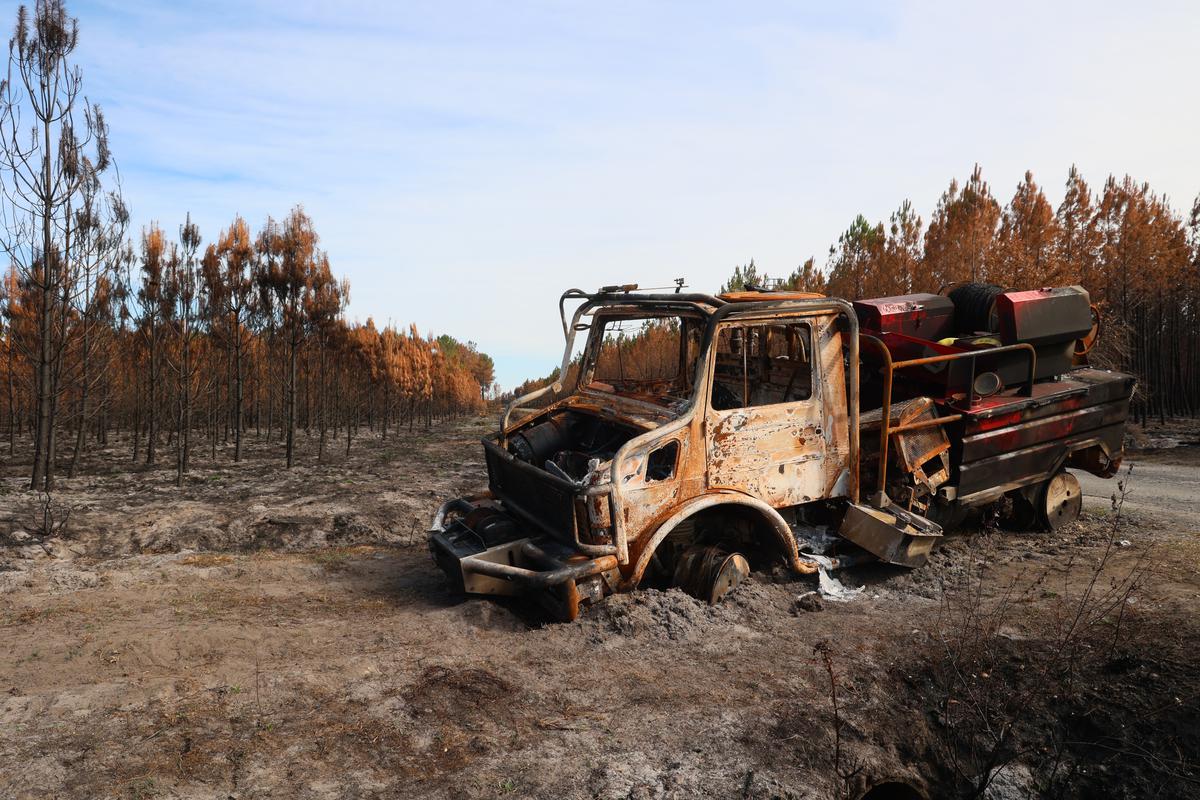
La Tierra superará el umbral de calentamiento de 1,5 °C en 10 años, según un estudio de IA
An AI-driven study projected that Earth will cross the critical 1.5 °C warming threshold within a decade, underscoring the urgency of climate action.
Coverage of environmental issues, climate change, and disaster preparedness — from global warming thresholds to local rescue efforts and the tools that help communities stay ready.
The intersection of environmental policy and economic reform continues to shape global conversations about our shared future. Governments and industries alike are being asked to reconsider traditional approaches to growth, with sustainability emerging as a central pillar of long-term planning. The transition toward cleaner energy sources and more efficient resource use is not merely an environmental imperative but an economic one, as markets increasingly reward innovation that reduces carbon footprints. Communities around the world are witnessing firsthand how shifting weather patterns and resource scarcity affect daily life, from agriculture to urban infrastructure. These changes demand thoughtful responses that balance immediate needs with the kind of forward-looking strategies that protect both people and the planet for generations to come.
The concept of a circular economy has gained significant traction as a practical alternative to the traditional linear model of consumption. Rather than extracting, using, and discarding materials, this approach emphasizes keeping resources in use for as long as possible through reuse, repair, and recycling. Businesses across various sectors are discovering that reducing waste can also reduce costs, creating a compelling financial case alongside the environmental benefits. Product design is evolving to prioritize durability and repairability, shifting consumer expectations about quality and longevity. Policy frameworks in many regions are beginning to support these changes through incentives and regulations that encourage sustainable production methods. This represents a meaningful departure from habits that have defined industrial activity for generations.
Biodiversity loss has emerged as one of the most pressing environmental challenges of our time, with far-reaching implications for ecosystem health and human well-being. The natural systems that provide clean air, fresh water, and fertile soil are under increasing pressure from development, pollution, and climate change. Conservation efforts are expanding beyond traditional protected areas to include urban green spaces, agricultural corridors, and restored wetlands that connect fragmented habitats. Scientists and local communities are working together to monitor species populations and develop strategies that support ecological resilience. The recognition that human health is intimately linked to environmental health has brought new urgency to these efforts, inspiring a broader understanding of what it means to live sustainably on a finite planet.
Individual actions, when multiplied across communities, can drive meaningful environmental progress that complements larger systemic changes. Choices about transportation, food consumption, and household energy use collectively shape the demand that markets respond to, signaling to producers and policymakers what people value. The growing interest in plant-based diets, renewable energy adoption, and minimal-waste lifestyles reflects a cultural shift toward greater environmental awareness. Educational initiatives and community programs play a crucial role in making sustainable choices more accessible and affordable for everyone. While personal responsibility alone cannot solve global environmental challenges, it creates the social momentum necessary for broader policy changes and corporate accountability. This bottom-up pressure, combined with top-down regulation, offers the most promising path toward a truly sustainable future.
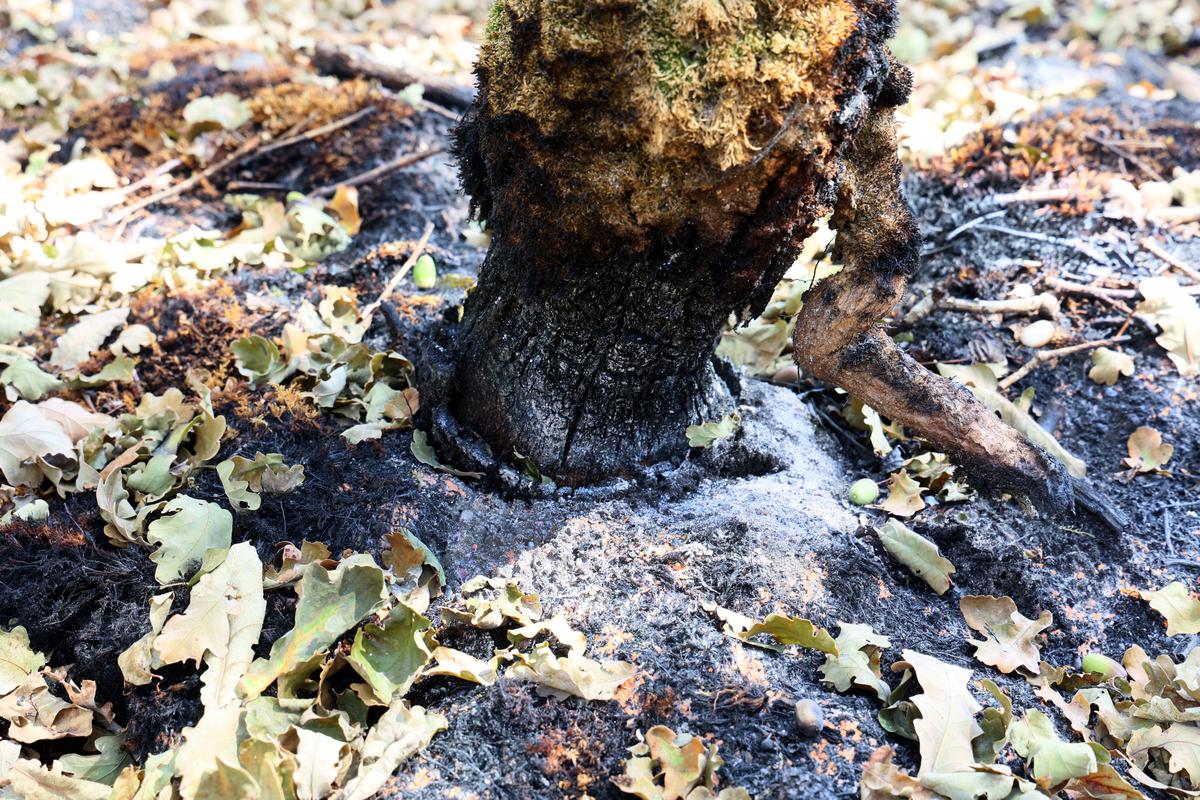
An AI-driven study projected that Earth will cross the critical 1.5 °C warming threshold within a decade, underscoring the urgency of climate action.
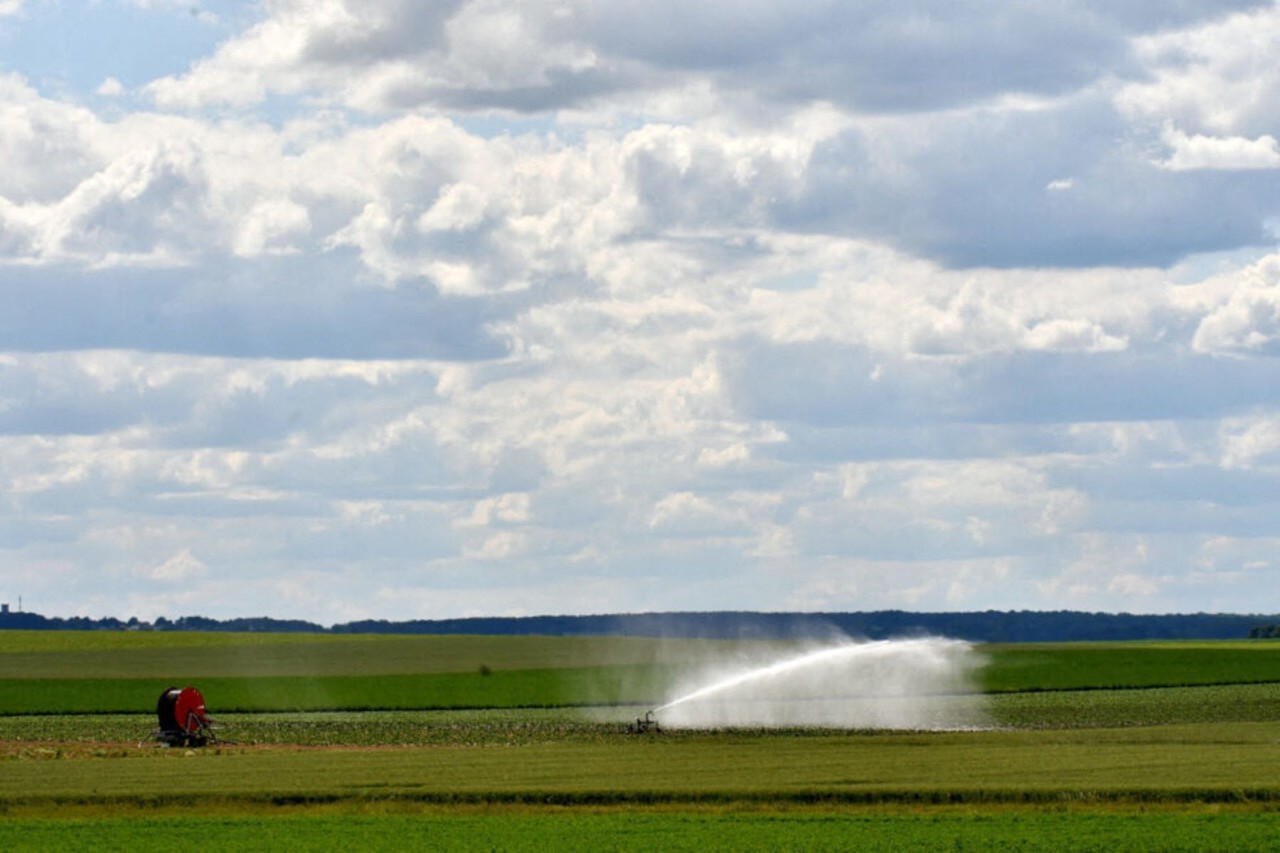
The Saint-Mammès rescue plan is showing positive results, with local authorities reporting steady progress in recovery and preparedness measures.
A broad climate-change plan was proposed, calling for sweeping policy shifts to address the accelerating environmental crisis.
A roundup of essential smartphone applications designed to help users navigate natural disasters, power outages, and other emergency situations.